What Are Hormones, Really?
Hormones are chemical messengers produced in various parts of your body - in your ovaries, adrenal glands, thyroid, pancreas, and brain. They travel through your bloodstream to organs and cells that they activate. They control virtually everything: your energy levels, your mood, your weight, your sleep, your digestion, your skin, and even how you handle stress.
When a hormone finds a cell with the right receptor, it sends a signal: work harder or slow down. This is how hormones also regulate your body temperature, fluid balance, reproduction, and much more.
The 7 Most Important Hormones
- Cortisol - the stress hormone. Boosts your energy during stress, increases sugar cravings, and has anti-inflammatory properties
- Melatonin - regulates your day-night cycle and makes you drowsy in the evening
- Growth hormone - responsible for bone density, wound healing, and recovery after illness
- Insulin - prevents blood sugar from getting too high and regulates energy storage in fat and muscles
- Oestrogen - the female sex hormone. Regulates menstruation, cholesterol, and bone strength
- Testosterone - the male sex hormone. Stimulates muscle building, bone density, and libido
- Thyroxine - the thyroid hormone. Accelerates fat burning and regulates metabolism
Hormones and Fat Burning
The most important fat-storage hormone is insulin. When you eat carbohydrates - especially fast sugars - your blood sugar rises quickly. The pancreas then produces insulin to bring it back down. But if you regularly eat large amounts of sugar, your body produces more and more insulin. And excess insulin is stored as fat tissue.
The rule is simple: when insulin is low, fat burning is high.
Cortisol also plays a role. Stress causes the breakdown of muscle tissue and raises blood sugar, which triggers even more insulin production. More insulin means more fat storage - a vicious cycle.
And then there's your basal metabolic rate - the calories you burn at rest, even when you're sitting on the sofa or sleeping. This too is controlled by your hormones. If they're out of balance, your metabolism slows down and you store more fat.
Signs That Your Hormones Are Out of Balance
Do you recognise one or more of these symptoms?
- Fatigue, even after a good night's sleep
- Mood swings or irritability
- Unexplained weight gain
- Sleep problems
- Skin issues such as acne or dry skin
- Reduced concentration or "brain fog"
- Muscle and joint pain
- Decreased libido
- Excessive hair loss
- Hormonal migraines or PMS
Then there's a good chance your hormones are playing a role. The causes vary: menopause, puberty, chronic stress, unhealthy diet, too little exercise, or insufficient sleep.
Chemical Stress: What You Apply Matters Too
Stress doesn't only come from your work or your thoughts. The products you apply to your skin daily can also cause stress - chemical stress. Parabens, silicones, SLS, and other synthetic substances burden your body from the outside. Your immune system has to respond, which activates stress hormones like cortisol and adrenaline.
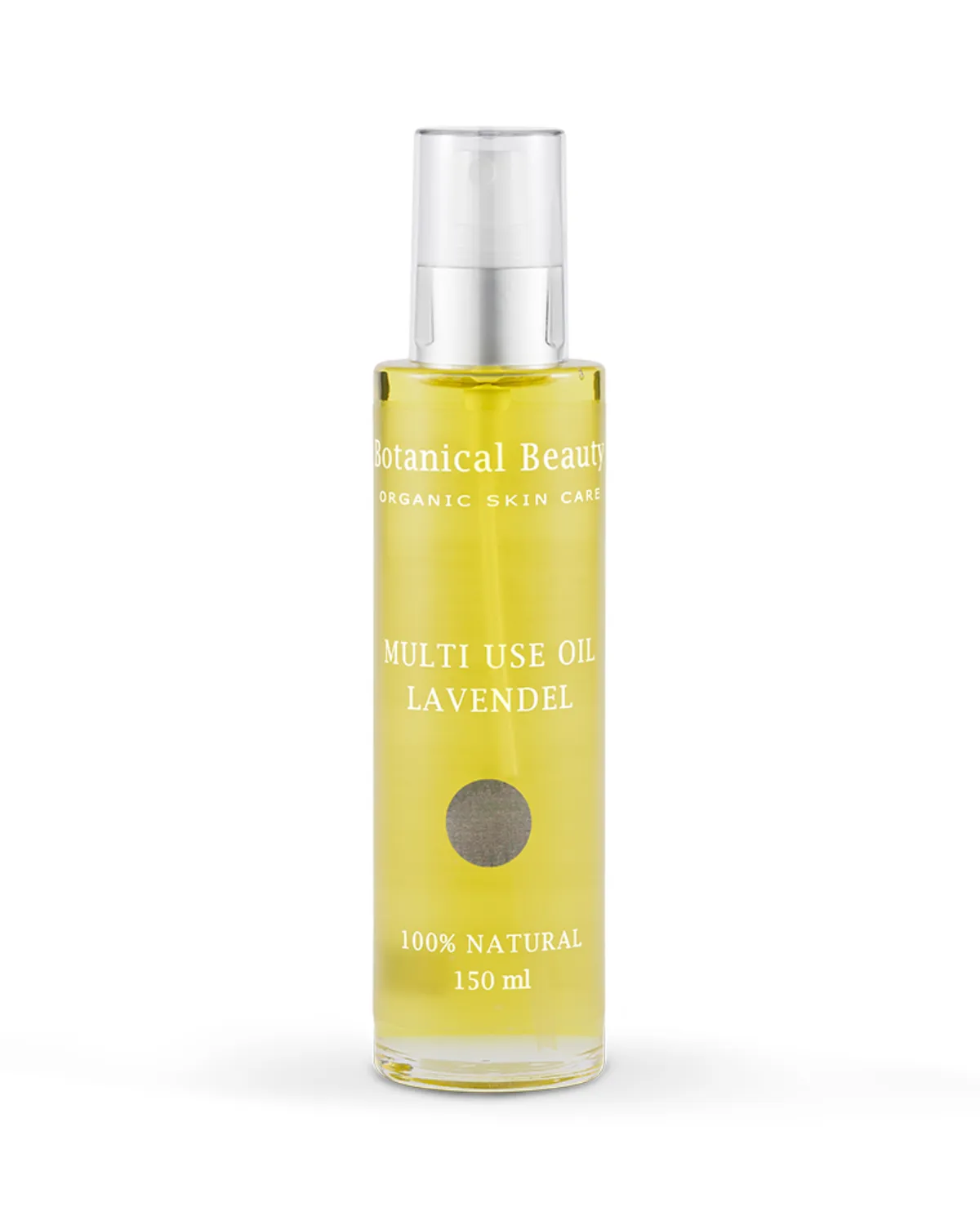
With prolonged exposure, this leads to chronic stress - with the same consequences as mental stress: fatigue, headaches, skin problems, and a disrupted hormonal balance. That's why I exclusively use 100% pure, natural products from Botanical Beauty. No chemical burden, just genuine care.
What Can I Do for You?
As a certified hormonal balance coach, I help you adjust your lifestyle and bring your hormones back into balance. Together we look at:
- Nutrition - what are you eating (and not eating), and how does it affect your hormones?
- Exercise - the right training methods for your situation
- Stress - how to reduce its impact on your body
- Sleep - the foundation of hormonal recovery
Curious? Book a free, no-obligation introductory phone call.
Or explore my favourite Botanical Beauty products that support your hormonal balance: